
 (937) 269-5059
By 6 p.m., a Dayton home can still be holding onto the day’s heat, especially after several humid days in a row. At Allied Services, Inc., we know a late-summer utility bill can land with a thud after months of air conditioning use. Some higher usage tracks with the weather. Other times, the system runs longer than it should because air is leaking out, airflow is blocked, or a part is starting to fail. We check what is happening in your home before drawing conclusions.
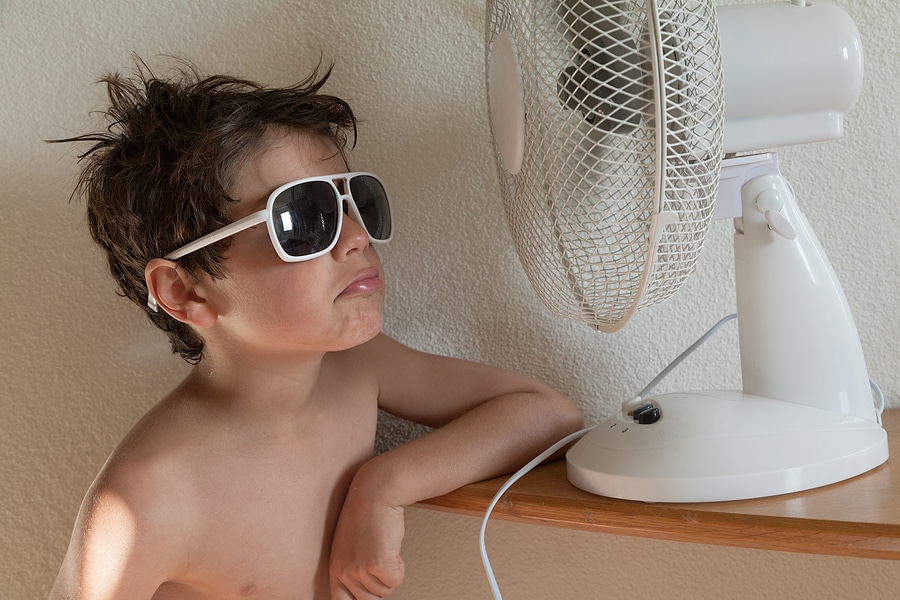
Late-Summer Heat Keeps Our Cooling Systems Running
After dinner, outdoor temperatures can still sit in the upper 80s, giving your air conditioner little time to catch its breath. It may run longer, remove more moisture, and cycle well into the evening. Those extra minutes add up. During our cooling system service visits, we watch how the unit handles a heavy load and look for places where cooled air could be slipping away.
- Extended cycles: A unit that keeps running after the set temperature may point to an airflow or capacity issue.
- Humidity load: Moist indoor air can keep cooling equipment on longer, even once the room feels cooler.
When a Higher Energy Bill Points to AC Repair
Hot rooms, rattling sounds, weak airflow, or a thermostat needing constant attention can change what a higher bill means. A bill that rises during a hot stretch isn’t automatically bad news. A well-running system should cool the house evenly and without sounding strained.
One warm register while another room feels fine tells us a lot. So does a system that starts and stops every few minutes. We follow those clues through the airflow path and electrical parts. Then we check refrigerant readings and the condensate drain before talking about AC repair. The goal is to find the faulty part or condition, not put a temporary fix over it.
- Filter restriction: Dust-packed filters can cut airflow and make the blower work harder.
- Equipment age: On systems nearing 12 to 15 years old, worn parts may draw more electricity each time the unit starts.
- System behavior: Starts, stops, temperature swings, and delayed cooling all merit a closer check.
Household Changes Can Raise Cooling Costs
At 5 p.m., an oven running while three extra people are in the house can raise how much cooling a home needs. Doors opening all afternoon do too. School breaks, overnight guests, laundry, and uncovered sunny windows add indoor heat as well. During an HVAC service visit, we can talk through those day-to-day patterns and check whether the equipment is keeping up.
For Dayton, OH homeowners, Allied Services, Inc. can track down what is driving higher cooling costs. We inspect the equipment, explain what we find in plain terms, and help get the home comfortable again. Call us at (937) 269-5059 or contact us to get started.